

In the modern business landscape, where hybrid working and digital collaboration are the norm, the value of physical connection and face to face meetings has never been higher. While daily operations often happen smoothly via video calls or in the local office, certain strategic objectives require a deliberate change of scenery. This is where an off-site meeting in a dedicated meeting room becomes a powerful tool for businesses of all sizes, from high-growth start-ups to established corporate entities.
What Is an Off-Site Meeting?
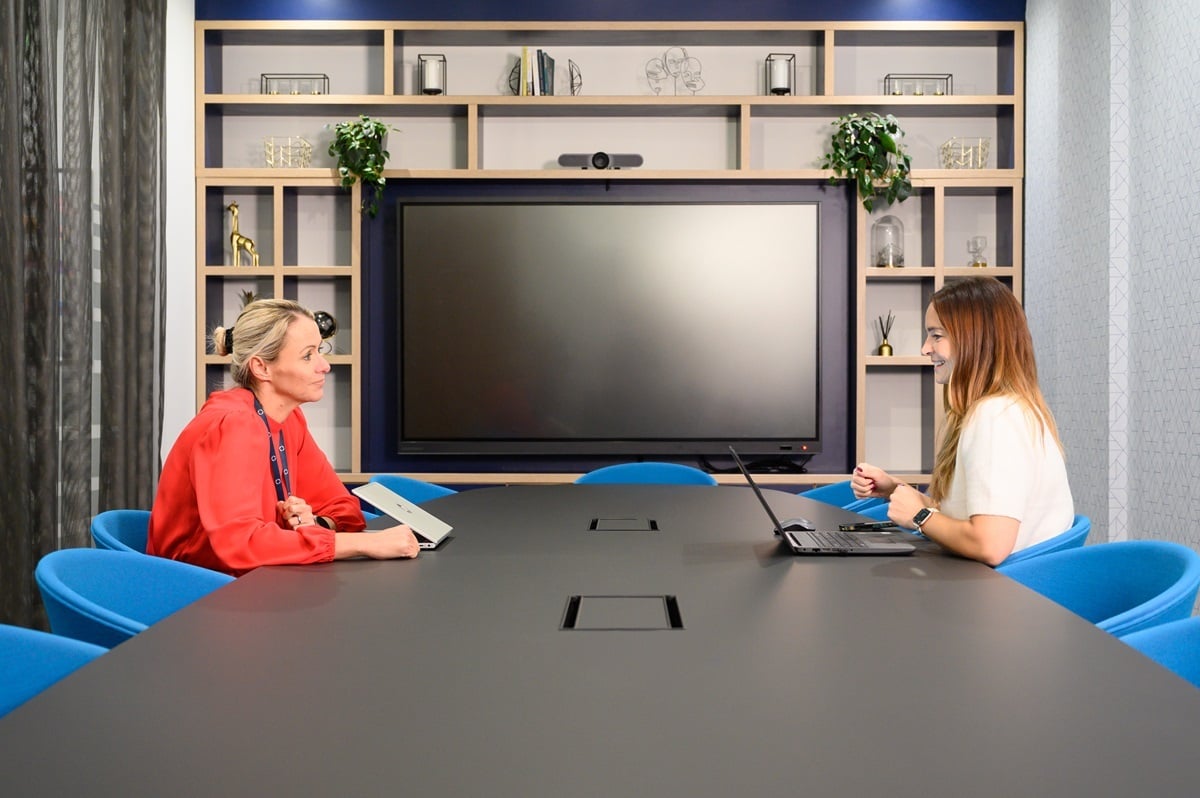
So, what is an off-site meeting? Simply put, it’s any business gathering held at an external location away from your primary office or regular workspace.
These sessions range from small departmental brainstorms in professional off-site meeting rooms to large-scale leadership retreats. Unlike a standard Monday morning catch-up, an off-site is intentionally designed to break the routine, encouraging deeper engagement and more ambitious thinking. It is a commitment to focused work that the daily office environment often cannot facilitate.

Off-Site vs On-Site Meeting: What Is the Difference?
When comparing an off-site vs on-site meeting, the primary difference lies in the environment and the specific mindset it fosters.
- On-site Meetings: Typically focused on execution, tactical updates, and immediate tasks. They are convenient but often plagued by daily noise - the hum of the office, incoming emails, and the temptation for colleagues to pop in with non-urgent questions.
- Off-site Meetings: Focused on clarity, alignment, and momentum. By stepping away from the familiar, teams can disconnect from daily operational distractions and focus entirely on the big picture.
Why Are Off-Site Meetings Important?
Many leaders ask, why are off-site meetings important? The answer lies in the psychological and cognitive shift that occurs when a team enters a new space. A fresh environment can physically disrupt stagnant thinking patterns, making it easier to solve complex problems that have perhaps reached a stalemate in the usual boardroom.
According to the Owl Labs State of Hybrid Work 2025 report, employees are increasingly looking for true fluidity in how they work. This includes intentional moments of connection. The study highlights that 68% of managers see a direct productivity boost when employees are given the right environments to engage with their work and colleagues deeply. Which is exactly what an off-site meeting in the right location can offer. This is particularly vital for preventing workplace loneliness in remote-first teams and building a cohesive, high-performing collaborative workspace.
The Power Of A Change Of Scenery
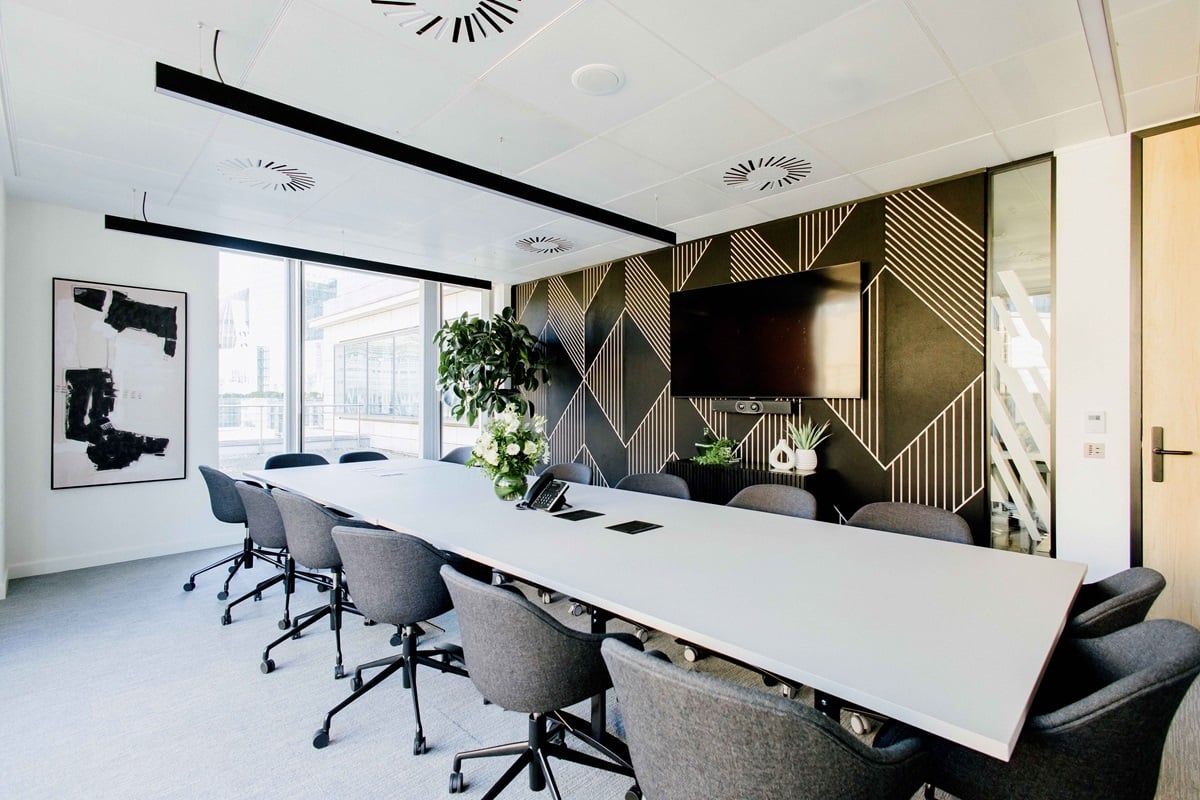
Your surroundings dictate your output. In a professional off-site meeting space, the environment is curated to remove the distractions of the daily office, allowing your team to shift their perspective. By changing the physical context, businesses can unlock several strategic advantages:
-
Sparking Fresh Ideas: Routine can often be the enemy of innovation. New environments can stimulate the brain to process information more effectively. By stepping away from the familiar, you help your team break out of repetitive thinking and approach challenges with a fresh pair of eyes.
-
Creating A Neutral Ground: In a standard office, seating plans and established habits can inadvertently reinforce workplace hierarchies. A neutral, external location levels the playing field. This creates a more inclusive atmosphere where every team member, from graduates to directors, feels empowered to contribute to the conversation.
-
Signaling Importance: Choosing to invest in a premium, external venue sends a clear message to your team that the agenda is a high priority. This sense of intentionality naturally increases engagement and ensures that everyone arrives ready to focus on the task at hand.
The Key Benefits Of Off-Site Meetings
Investing in a dedicated external venue offers several measurable advantages for your team’s output and your bottom line.
1. Increased Productivity and Focus
By removing the interruptions of the standard office, teams can achieve in one single day what might take weeks of fragmented, hour-long meetings. Choosing a productive office space or a dedicated conference room ensures that the only item on the agenda is the task at hand.

2. Boosting Creativity and Innovation
The monotony of a familiar desk can often lead to safe or repetitive thinking. A new setting, like a meeting room with a view, provides the mental space needed for creative breakthroughs. Exposure to different environments is linked to improved problem-solving skills, and current workplace trends show an increasing shift in preference towards more inspirational, hospitality-led meeting hubs.
3. Strengthening Team Bonds
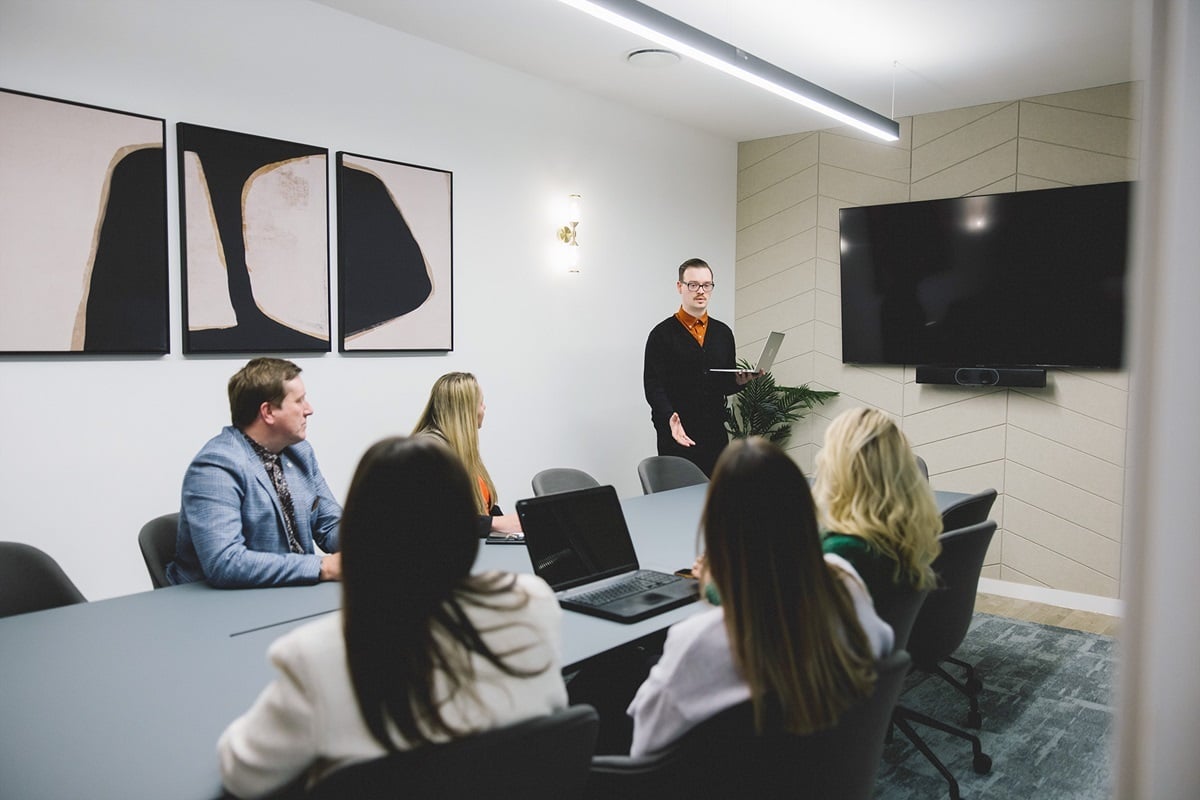
For hybrid or remote teams, the importance of face-to-face meetings cannot be overstated. Off-sites provide a space where social capital is built through shared experiences, allowing for more open communication and the building of genuine trust that translates back to the digital workspace.

4. Strategic Alignment
The purpose of off-site meetings is to ensure everyone is pulling in the same direction. Whether you’re launching a new product or shifting your working model trends, an off-site provides the dedicated time needed to align every team member with the company's core vision without the distraction of business as usual.
How to Plan A Successful Off-Site Meeting
If you’re wondering how to plan a successful off-site meeting, the secret is in the marriage of meticulous logistics and clear objectives.
-
Define Your Objective: What is the single most important outcome of the off-site meeting? Is it a cultural reset, a celebration of success, or a high-stakes strategic planning session?
-
Select the Right Environment: The space must match the goal. Impactful strategy requires a professional, tech-enabled boardroom, while a creative session might benefit from a more relaxed layout with calming breakout zones.
-
Manage Logistics Early: Ensure the location is easily accessible for everyone. If your team is coming from different regions, meeting rooms in London or centrally located meeting rooms in the Midlands provide excellent transport links that respect your team's time.
-
The 60/40 Rule: Aim for a schedule that is 60% structured work and 40% ‘white space’ for informal discussion, networking, and mental breaks to prevent cognitive burnout.
Choosing the Best Places for Off-Site Meetings
When looking for off-site meeting locations, certain features are non-negotiable if you want to ensure a professional experience that reflects your brand value.
-
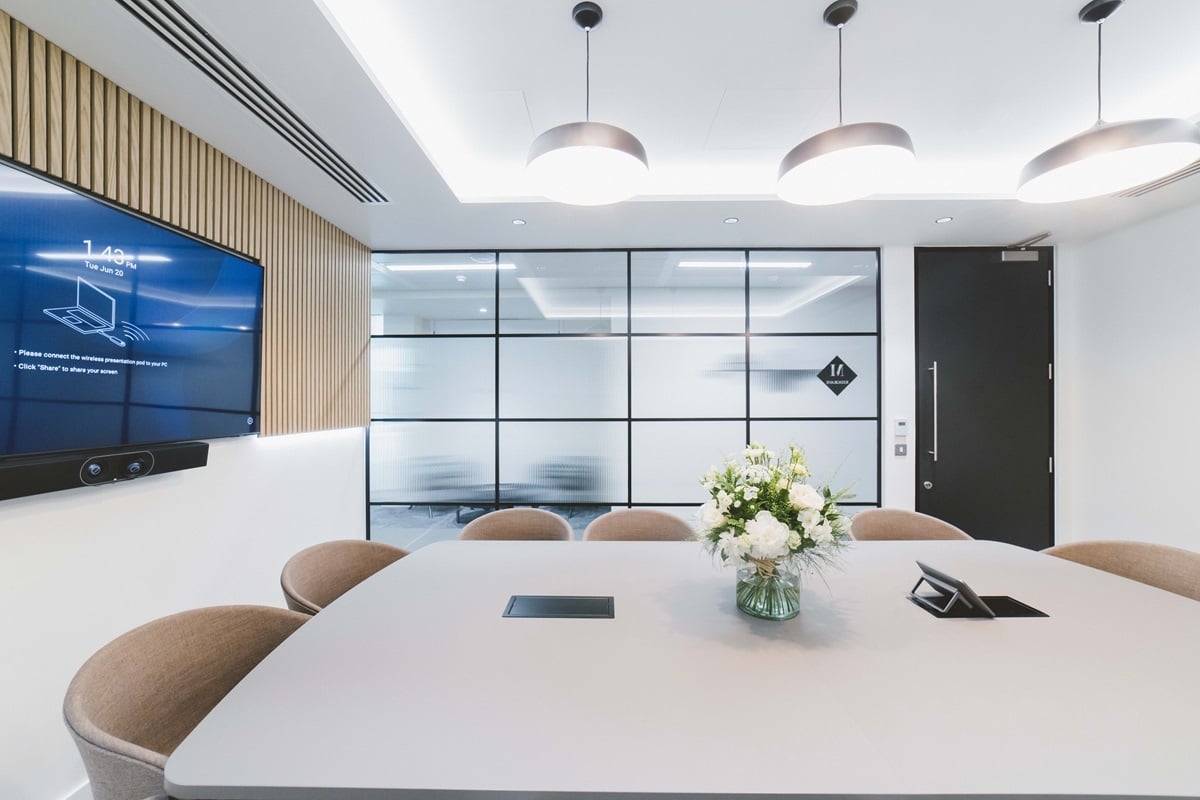
Tech Infrastructure: High-speed, secure Wi-Fi and seamless AV for presentations are essential to avoid wasting valuable time on technical troubleshooting.
-
Support Services: A dedicated on-site team to manage tea, coffee, and catering allows you to stay focused on the meeting content rather than the catering logistics.
-
Comfort and Amenities: Look for the best office amenities available, like high-quality coffee, climate control, and ergonomic seating that supports long sessions.
-
Flexible Booking: Modern businesses require agility. Sometimes you only need a space for a few hours; hourly meeting rooms or meeting rooms for a day offer the flexibility to scale your requirements precisely to your needs.
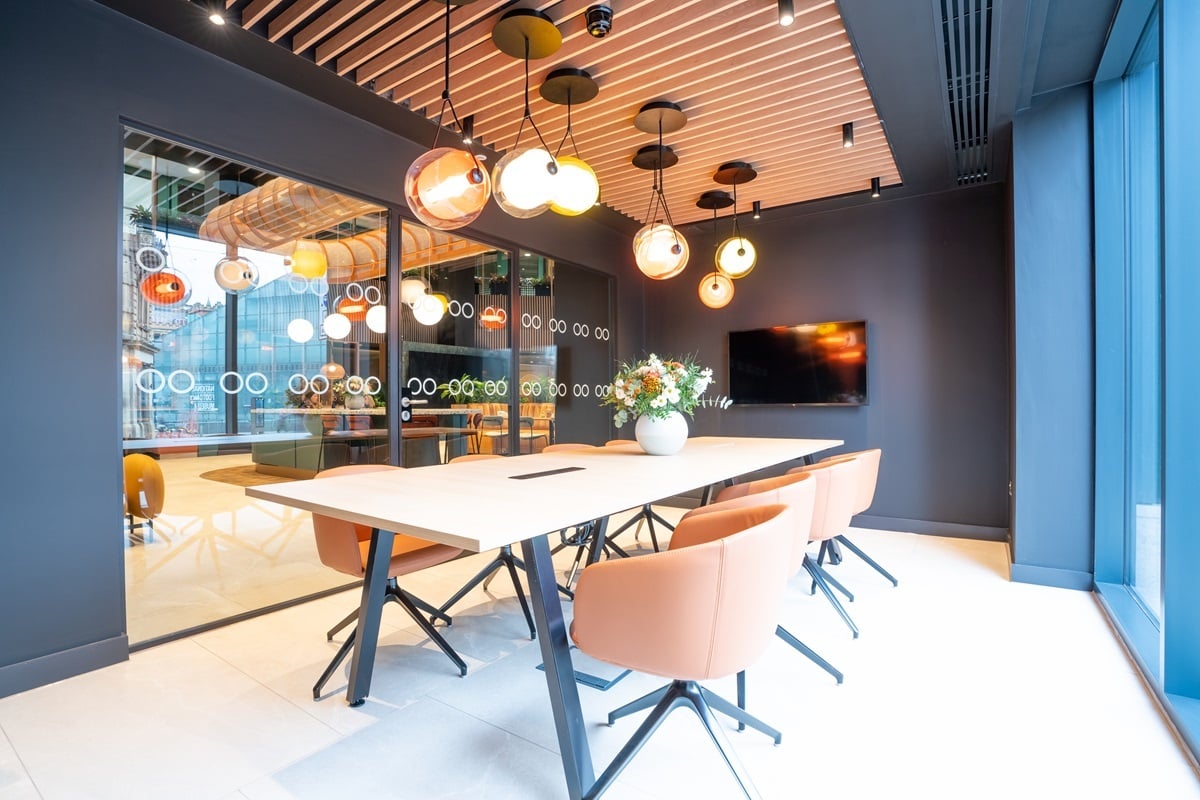
From professional meeting rooms in Manchester to inspiring meeting rooms in Scotland, Orega provides premium, serviced environments designed to help your business thrive, up and down the country.
An off-site meeting is more than just a day out of the office; it’s a strategic investment in your team’s culture, creativity, and future success. By choosing the right location and setting a clear purpose, you can transform a routine discussion into a pivotal moment for your business growth.
Ready to find the perfect space for your next off-site? Get in touch to discover a meeting room that works for your team.