

by Alan Pepper, CEO of Orega
There is no doubt that the UK flex is continuing to evolve and landlords are now embracing joint ventures with flex operators as a key part of their portfolio strategy. According to the latest CBRE report there will be 50 million square feet of flexible offices in London alone by 2030 - accounting for 20% of the entire market in the capital, up from 12% today.

So, what other trends have we been seeing?
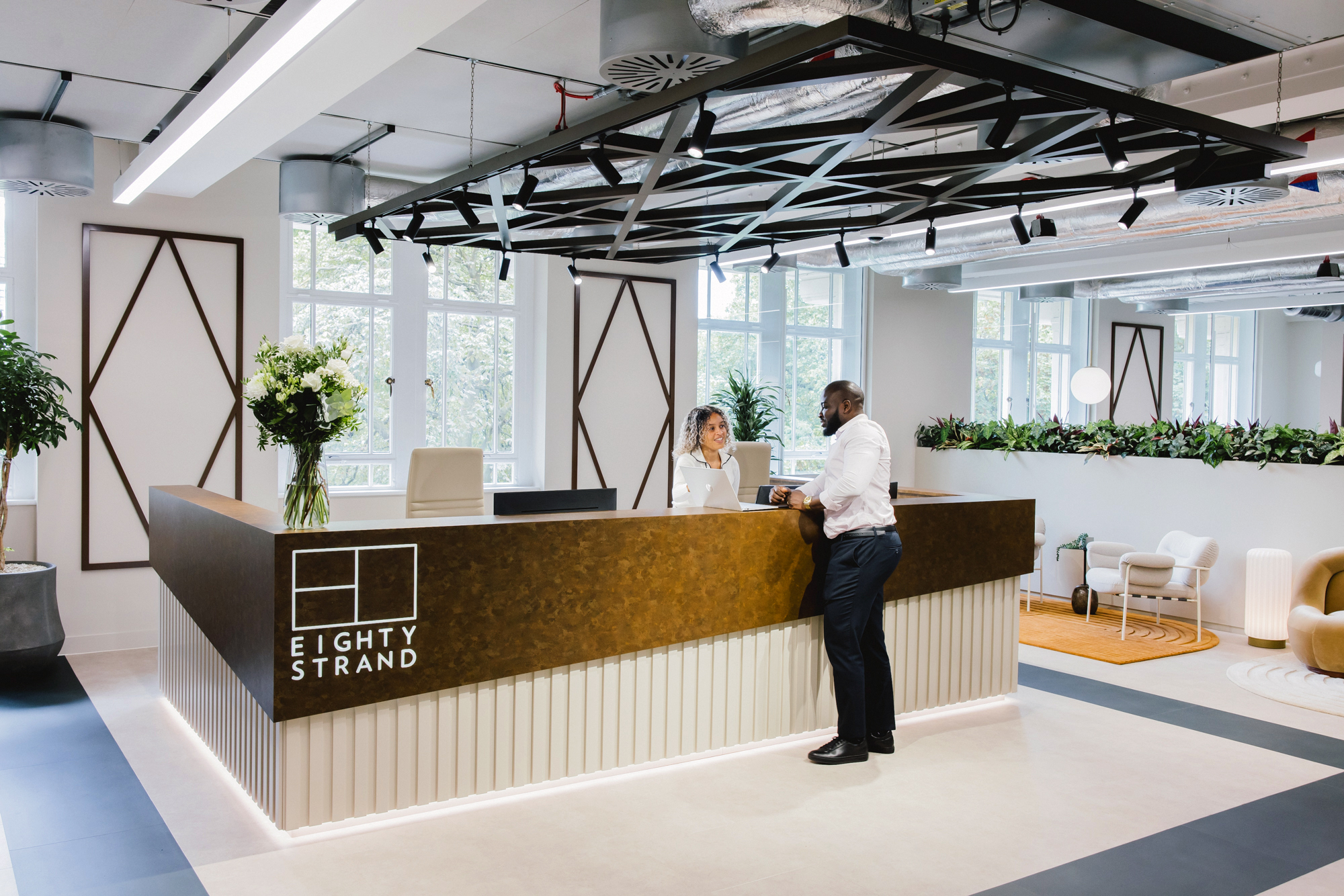
Firstly, that the fundamentals (particularly location and amenity) remain key and are probably more important than ever. The flight to quality remains and great buildings in great locations with great amenity will fill up quickly with pricing increasing. We are seeing this in our offices in London such as at the Strand; and Lime Street and Old Bailey which are both 100% occupied. Buildings with character are also proving popular, such as our offices in Gatwick, which have been underpinned by an emphasis on the best customer service.
Secondly, the trend for larger corporates either taking or significantly scaling up flex space has also continued – often coming out of conventional leasehold solutions. Examples of such moves into our offices have included a train operating company, fintech business, a specialist mortgage provider and a well-known holiday / airline business. This take up is driven by continued uncertainty about employment levels and future working patterns together with a need for companies to be more operationally efficient, have more flexibility to deal with future changing requirements and outsource day to day property management and service provision. This all results in corporates not wanting to be tied into longer term commitments and leases.
Thirdly, the use of flex has continued to increase in the regions where major corporates have started to base local operations to take advantage of the added flexibility. This is particularly in the case with large legal, professional and financial services businesses, a significant proportion of our client base. Such firms care strongly about privacy, security, dedicated secure IT, the quality of space, and ESG, etc. We are seeing this in our offices in Newcastle, Liverpool and Bristol among others. At the same time our existing clients continue to expand - 15% of our client base expanded their space with us during the year.
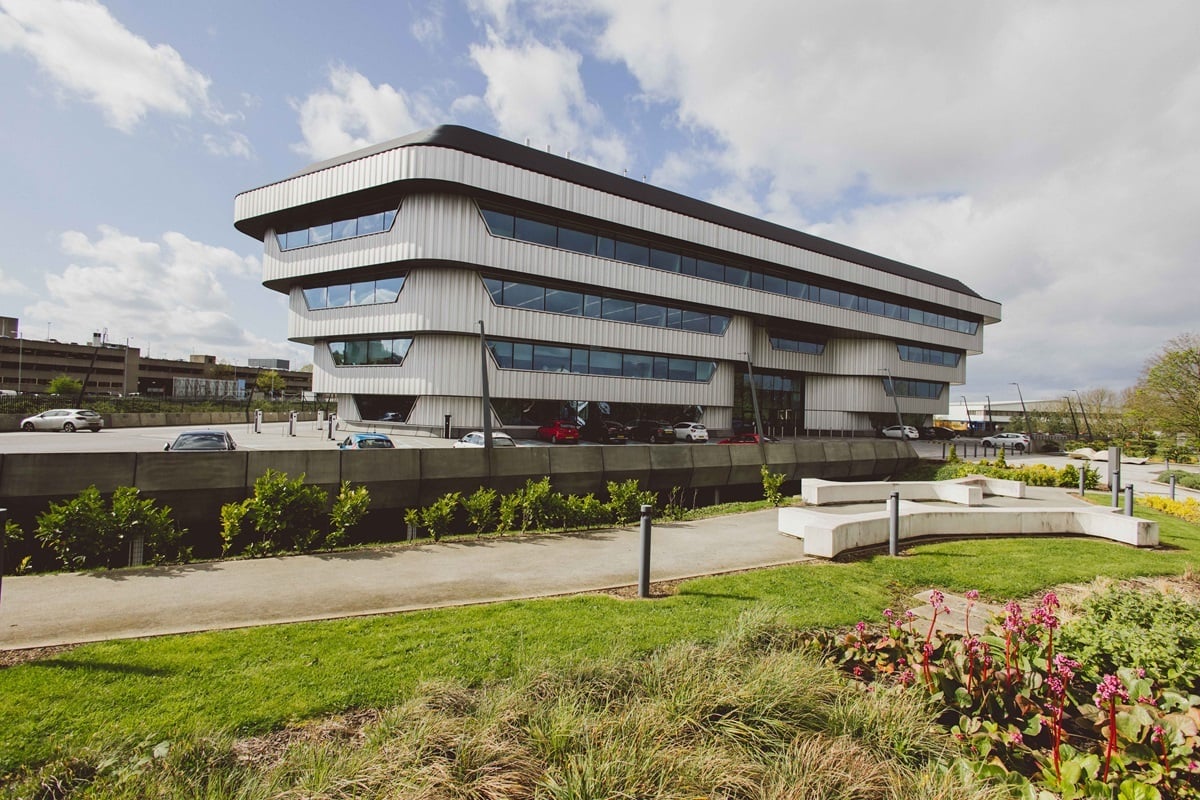
Birmingham & Manchester in particular of the regional cities perform well for us. Our centre at the Colmore Building in Birmingham has maintained very high occupancy whilst we have had great success at our relatively new site at Ingenuity House near Birmingham Airport where we are now in excess of 90% occupied and our operation has helped to underpin the landlord’s conventional letting success.
Fourthly we are seeing Managed office space, as a segment of the flex market, growing in popularity, primarily in London. This offers longer terms than mainstream flex and more bespoke offers. Whilst we participate in this segment of the market through our core offer, we are actively looking at how we support this demand from our target client base.
And finally, after a lull last summer more landlords are now looking at whether flex can be delivered in their buildings and how they go about arranging that – whether by partnering with an operator like us to deal with the operational intensity of running a flex operation or by building that capability themselves. This is going to be particularly relevant as leases come to an end and landlords (and corporates) ask themselves, “What’s my next step”. For many, flex seems to be a good answer.